Best Bonsai Trees for Beginners: 8 Species Ranked by Forgiving Factor
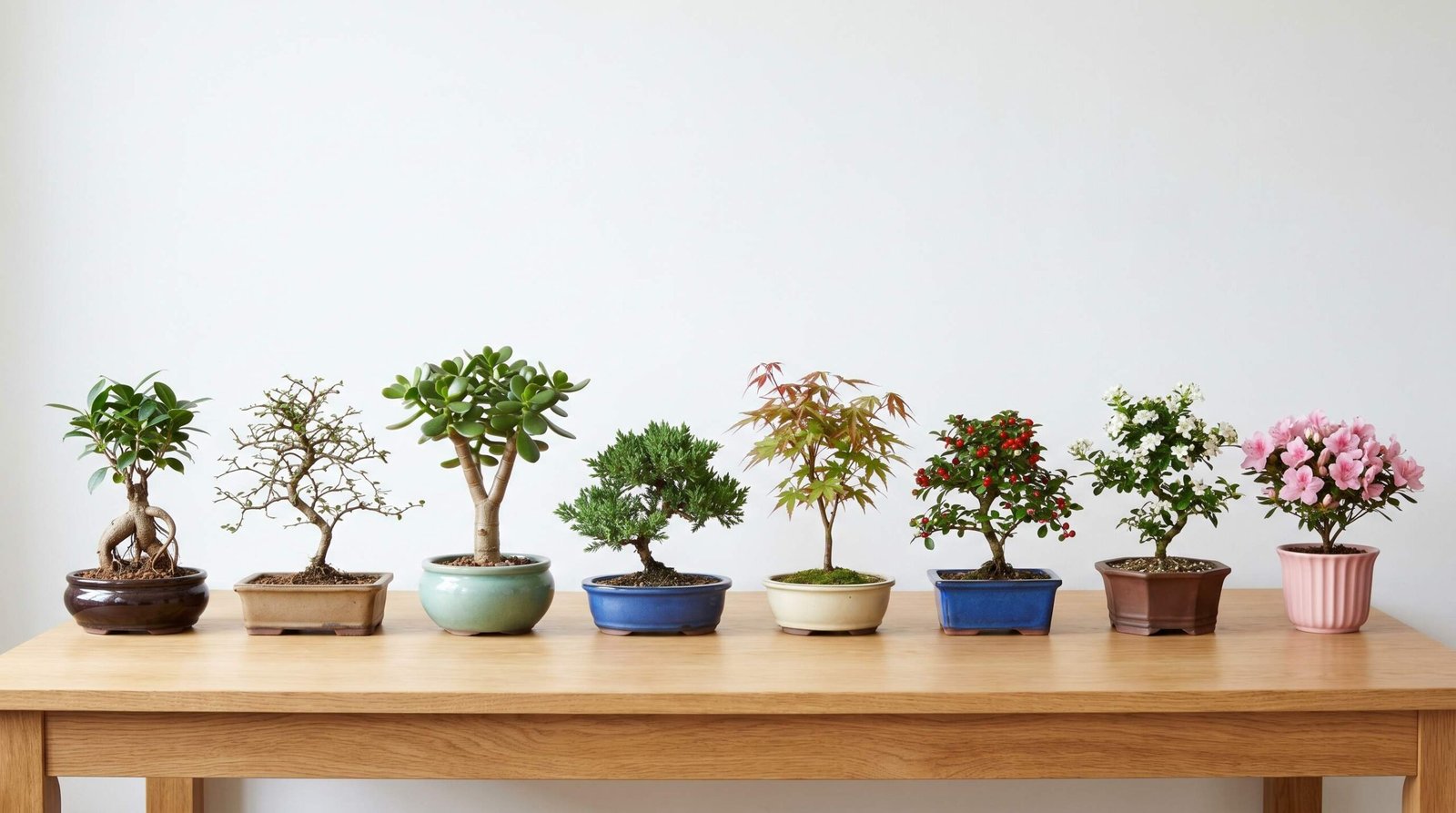
The best bonsai trees for beginners are Ficus retusa, Chinese Elm, Jade, and Juniper, because they tolerate beginner mistakes like inconsistent watering and imperfect light placement, and you can buy them affordably almost anywhere. Indoor beginners should start with Ficus or Chinese Elm. Outdoor beginners do well with Juniper or Cotoneaster. Pick the species that fits your actual living situation, not the prettiest one in the photo.
Why This Guide Is Different
Most “best beginner bonsai” lists you find online are useless in a specific way. They name eight species, paste in a stock photo, and move on. They never answer the question that actually matters: which of these tolerates the mistakes you will make in your first year?
You will forget to water at least once. You will probably overwater at least once trying to compensate. You will put the tree in a spot that gets the wrong light. You may try to bring an outdoor tree indoors because winter looks scary, or push an indoor tropical onto the porch in October because it looked happy in summer. These are not character flaws. They are the standard rite of passage for every bonsai owner, and they kill roughly half of all first trees inside twelve months.
The right first tree is the one that survives that learning curve. We call this the forgiving factor, and it is the single most important criterion for a beginner. Aesthetic appeal, dramatic trunk movement, and styling potential matter eventually. They do not matter on day one. What matters is whether the tree will still be alive in March so you have something to repot. This guide ranks eight species by that standard, then tells you how to actually buy one without getting fleeced.
Indoor or Outdoor: Make This Decision First
Before you compare species, settle one question: where will the tree live? Bonsai species fall into two camps that almost never overlap. Tropical and subtropical species (Ficus, Jade, Fukien Tea) want warm temperatures and stable humidity year-round, which means they live indoors in most climates. Temperate species (Juniper, Japanese Maple, Cotoneaster, Azalea) need a cold dormancy period in winter and full outdoor sun in summer. They die slowly indoors, usually over six to twelve months, because they never get the seasonal cues they need.
This is the most common reason first bonsai die. A beginner buys a small juniper at a big-box store labelled “indoor bonsai” (it is not), puts it on a kitchen counter, and watches the foliage turn brown over the following season. The Missouri Botanical Garden is blunt about this in its beginner bonsai guidance for temperate species: junipers and Japanese maples cannot be kept as houseplants and require a cool dormant period each winter.
If you live in an apartment with limited outdoor space, pick a tropical. If you have a balcony, patio, or yard with at least four hours of direct sun, you have the option of either. Do not buy a temperate species hoping to keep it indoors. It will not work.
Quick Comparison: All 8 Species at a Glance
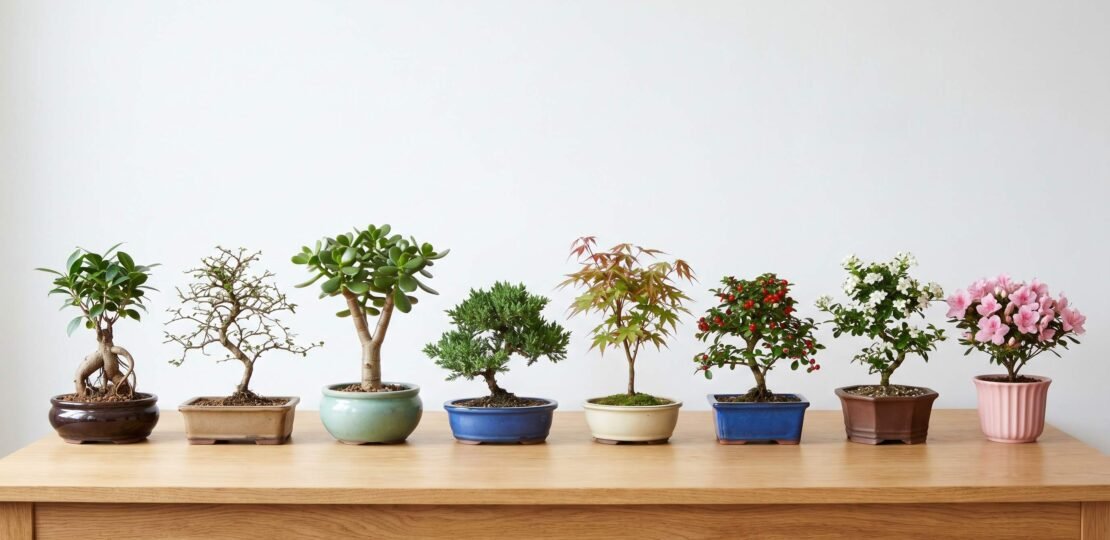
| Species | Best For | Forgiving Factor | Light Needs | Typical Cost | Where to Find |
|---|---|---|---|---|---|
| Ficus (Ficus retusa) | Indoor | ★★★★★ | Bright indirect, some direct | $25 to $60 | Garden centers, online specialists |
| Chinese Elm | Indoor or Outdoor | ★★★★★ | Bright light, direct sun outdoors | $30 to $80 | Bonsai nurseries, online |
| Jade (Crassula ovata) | Indoor | ★★★★★ | Bright direct sun | $20 to $50 | Plant shops, big-box garden centers |
| Juniper | Outdoor | ★★★★ | Full sun, 4+ hours direct | $25 to $70 | Bonsai nurseries, garden centers |
| Japanese Maple | Outdoor | ★★★ | Morning sun, afternoon shade | $40 to $120 | Specialty nurseries, online |
| Cotoneaster | Outdoor | ★★★★ | Full sun to partial shade | $25 to $60 | Garden centers, online |
| Fukien Tea (Carmona) | Indoor | ★★ | Bright direct, high humidity | $30 to $90 | Bonsai specialists |
| Azalea | Outdoor | ★★★ | Bright filtered light | $40 to $150 | Bonsai nurseries |
1. Ficus (Ficus retusa)
Why Ficus tops the beginner list
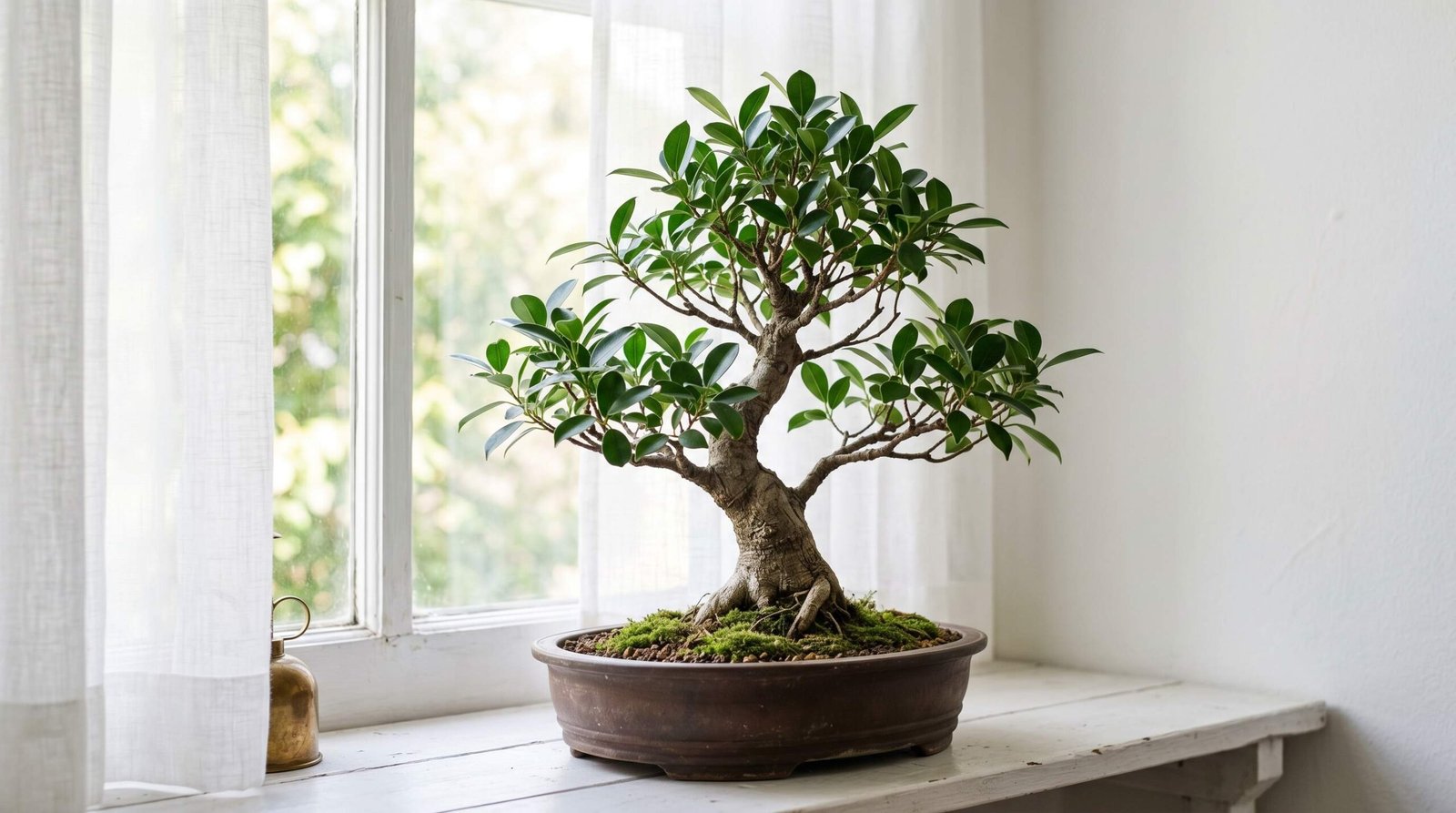
The Ficus retusa, often labelled as Ficus microcarpa or “ginseng ficus” in retail stores, is the closest thing to a bulletproof bonsai. It forgives nearly everything except prolonged cold and total drought. Forget to water for a week? The leaves wilt as a warning, you water, the tree recovers. Overwater for a month? You will see leaf drop before root rot kills it, which gives you time to dry the soil out. Light a bit too low? It pushes new growth anyway, just leggier.
According to the North Carolina State Extension plant profile for Ficus microcarpa, this species grows faster and is easier to care for than most bonsai species, which is exactly why it appears on every reputable beginner list.
Light, watering, and the one mistake to avoid
Place a Ficus where it gets bright indirect light most of the day, with two to four hours of direct sun if possible. A south or east-facing window works. Water when the top half inch of soil feels dry to the touch. In summer that may mean every two days; in winter, once a week. The biggest beginner mistake is sudden temperature change. Ficus drops leaves in protest when moved from a warm room to a cold porch or near a drafty door. Pick a spot and leave the tree there.
Ficus bonsai are widely available at garden centers, plant shops, and online bonsai specialists, and they are one of the few species commonly sold at big-box stores that you can actually trust. Top tip: if leaves yellow and fall in the first two weeks, do not panic. It is adjusting to your home humidity and will recover.
2. Chinese Elm
The most flexible beginner tree
Chinese Elm (Ulmus parvifolia) is the only tree on this list that genuinely works both indoors and outdoors, which makes it the safest bet if you are not yet sure how you want to keep your bonsai. Outdoors it acts like a temperate tree, dropping leaves in winter in cold climates. Indoors with consistent warmth it stays semi-evergreen. Either way it is tough.
The species tolerates underwatering, overwatering, mediocre light, and aggressive pruning. It pushes new growth all season and back-buds readily, which means it forgives the inevitable styling mistakes you will make in year two.
Light, watering, and placement
Bright light is the goal. Outdoors, a few hours of direct sun is ideal. Indoors, the brightest window you have. Water when the top of the soil dries; Chinese Elm prefers a slight dry-back between waterings rather than constantly wet feet. For a full breakdown of seasonal needs, see our Chinese elm care guide.
The common beginner mistake here is repotting too aggressively in year one. Resist. Chinese Elm should not be repotted until it has been with you a full year so you understand its baseline behavior. Top tip: a healthy Chinese Elm will push new shoots within two weeks of arriving in your home. If it does not, your light is too low.
3. Jade (Crassula ovata)
The bonsai for chronic overwaterers
If you have killed houseplants by loving them too much, Jade is your tree. Crassula ovata is a succulent, which means it stores water in its thick fleshy leaves and stems. The most common beginner failure mode, watering too often, is the one thing Jade is engineered to survive. In fact, Jade prefers to dry out completely between waterings and will rot if you water on a Ficus schedule.
Jade is also one of the cheapest entry points. A starter Jade in a small pot runs $20 to $35 in most plant shops, and you can often find them at big-box garden centers in the succulent section.
Light, watering, and a watering rule that actually works
Bright direct sun is required. A south-facing window or supplemental grow light is the difference between a healthy Jade and a stretched, leggy one. Water deeply, then wait until the soil is bone dry and the leaves feel slightly less firm before watering again. In winter that may be once every three weeks.
The one beginner mistake to avoid: do not mist Jade. Misting raises humidity around the leaves and invites rot. Jade evolved in dry conditions; treat it accordingly. Top tip: if leaves shrivel and feel papery, that is thirst. If they go soft and translucent, that is rot. Tell the difference and you cannot kill a Jade.
4. Juniper
The outdoor beginner standard
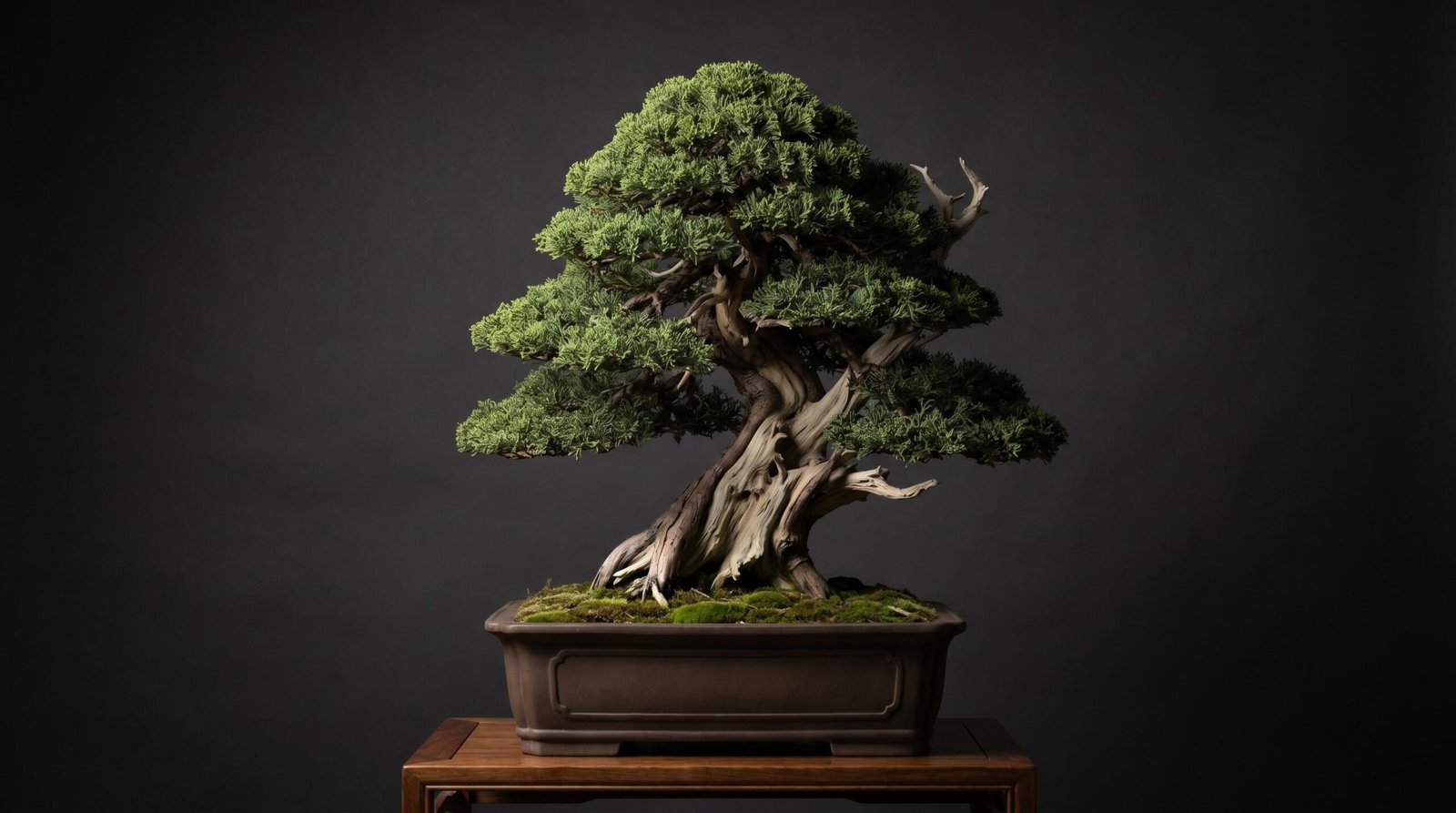
Juniper is the species most people picture when they hear “bonsai,” and for good reason. It is hardy, the foliage is forgiving of light pruning, and the natural twisted trunk shapes look the part. The catch is that Juniper is strictly outdoor. Every juniper sold in a mall kiosk as an “indoor bonsai” will die within a year if kept inside. This is the single most common bonsai mistake, and the reason juniper has an undeserved reputation for being hard.
According to the Missouri Botanical Garden’s bonsai guidance, junipers and other temperate species require a cool dormant period and cannot be kept as houseplants. Treat that as the rule, not a suggestion.
Light, watering, and the indoor trap
Place outdoors year-round in a spot that receives at least four hours of direct sun. Water when the soil surface is slightly dry. Juniper hates wet feet but is also surprisingly resilient to short droughts. The species needs winter cold to trigger dormancy; in zones colder than USDA 6, protect the pot from hard freezes by mulching or moving into an unheated garage or cold frame.
For the full picture on seasonal care and styling, our juniper bonsai care guide walks through the year month by month. Top tip: if your juniper foliage turns crispy brown from the inside out, the tree is dead and has been for weeks. Junipers stay green long after they die. Bend a twig. If it snaps clean and dry, you have lost the tree.
5. Japanese Maple
Stunning, but the most demanding species on this list
Japanese Maple (Acer palmatum) is the showpiece. Few bonsai species rival the autumn color of a well-grown maple. It is also the species on this list that asks the most from a beginner. Japanese Maple is sensitive to scorching sun, drying winds, and the wrong soil pH. We include it because the payoff is real and a careful beginner can succeed, but go in with eyes open.
Light, watering, and placement
Morning sun and afternoon shade is the ideal. Full afternoon sun in summer will scorch the delicate leaves, particularly on lace-leaf cultivars. Water consistently; Japanese Maple does not handle drying out as well as elms or junipers. Plant in well-draining bonsai soil with a slight acidic lean.
The most common beginner mistake is buying a small lace-leaf cultivar at the same time as you buy a more forgiving species and assuming the same watering schedule applies. Maples are thirstier. They wilt faster. Check them twice a day in hot weather. Top tip: brown leaf edges in summer are sun scorch. Move the tree to dappled light immediately and the next flush of leaves will come in clean.
6. Cotoneaster
An underrated beginner outdoor pick
Cotoneaster does not get the marketing love that juniper does, which is a shame because it is arguably easier. The species produces small glossy leaves, tiny white flowers in spring, and bright red berries in fall, all on a tree that tolerates abuse. It handles full sun, partial shade, drought, occasional overwatering, and heavy pruning with similar good humor.
If you want an outdoor bonsai that flowers and fruits but you do not yet trust yourself with Azalea, Cotoneaster is the answer.
Light, watering, and pruning
Full sun to partial shade outdoors. Water when the top of the soil dries; Cotoneaster recovers well from short underwatering but does not like sustained wet conditions. Prune lightly throughout the growing season to encourage the ramification that makes the tree look mature.
The one beginner mistake worth flagging: do not over-fertilize. Cotoneaster grown lean produces smaller leaves and more berries. Heavy nitrogen feeding produces a leggy plant that looks more like a shrub than a bonsai. Top tip: leave one or two berries on the tree through winter. They feed birds, they look striking, and they tell you the tree is mature enough to flower.
7. Fukien Tea (Carmona retusa)
Beautiful but the least forgiving indoor species
Fukien Tea is the bonsai most often given as a gift and most often killed within six months. We include it because you may already own one (or be about to receive one) and you should know what you are dealing with. Carmona produces tiny white flowers and small red berries, and the dark glossy leaves photograph beautifully. The species also drops leaves at the slightest provocation.
If you are buying your first bonsai by choice, choose almost anything else first. If a Fukien Tea has landed in your lap, here is how to keep it alive.
Light, humidity, and watering
Carmona needs bright direct light, high humidity (a humidity tray helps), and consistent moisture. Allow the top of the soil to barely dry between waterings, never let the root ball go bone dry, and never let it sit in standing water. The species is intolerant of temperature swings, drafts, and dry winter air from forced-air heating.
The common beginner mistake is keeping it in the kitchen near a stove or in a bathroom that gets steam. Both seem clever; both produce mildew on the foliage. Top tip: if leaves yellow from the bottom up, that is overwatering. If they brown at the edges, that is dry air. Two different problems, two different fixes.
8. Azalea
Flowering reward, modest difficulty
Azalea (specifically Satsuki and Kurume varieties used in bonsai) closes out the list because nothing on this guide produces a more dramatic bloom. A flowering Azalea in May is a sight that justifies any amount of effort. The species is more forgiving than its reputation suggests, with one caveat: it is fussy about soil and water chemistry.
Light, watering, and soil pH
Bright filtered light is ideal. Direct afternoon sun in midsummer can stress the plant. Water with rainwater or filtered water when possible; Azalea dislikes the calcium and chlorine in heavily treated tap water, and chronic exposure produces yellowing leaves with green veins (a condition called chlorosis). The soil needs to be acidic, which means a specialty mix is non-negotiable. If you are unsure about water quality and timing, our guide on how to water a bonsai tree covers both topics in depth.
The one beginner mistake to avoid is pruning at the wrong time. Azalea sets flower buds for the following spring on growth that occurred the previous summer. Heavy pruning in late summer or fall removes next year’s flowers. Prune lightly immediately after the bloom finishes in late spring. Top tip: feed lightly with an acid-loving plant fertilizer and skip feeding entirely while the tree is in bloom.
What to Look for When Buying Your First Bonsai
The species choice is half the battle. The other half is picking a healthy specimen and not overpaying. Use this checklist.
Container size and proportion. A healthy bonsai sits in a pot that fits its trunk. If the pot is comically tiny relative to the foliage, the tree was potted up for sale and may be root-bound. If the pot is huge relative to a slender trunk, it was a nursery plant slapped into a pretty container yesterday. Look for proportion.
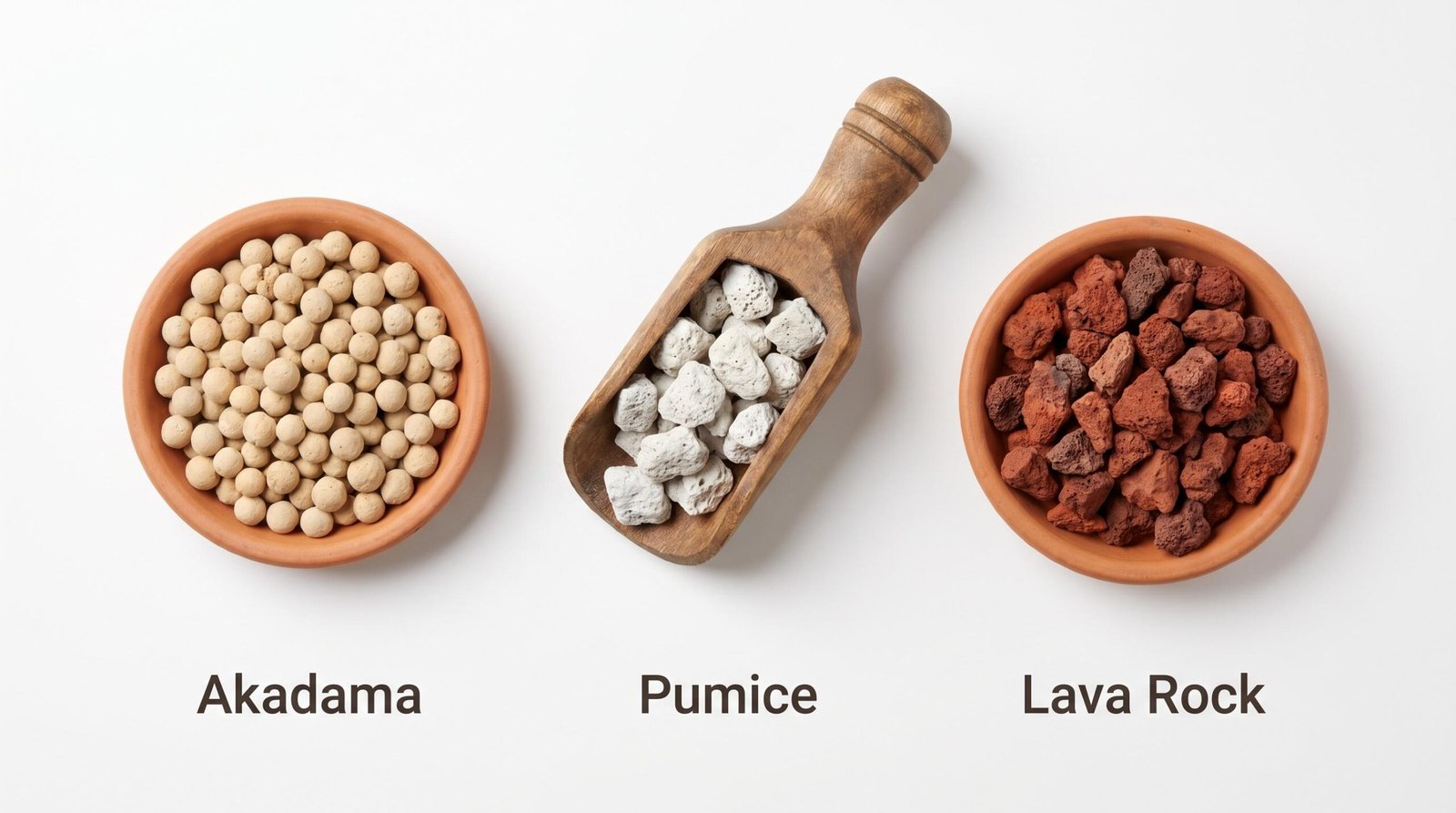
Soil condition. Real bonsai soil drains immediately when you water it. Tip the pot slightly and look at the surface. You want to see granular particles (akadama, pumice, lava rock or a similar blend), not dense potting compost. Dense compost is the single biggest red flag at a big-box garden center.
Root health. Gently lift the tree from the pot if you can. Healthy roots are pale, firm, and spread evenly. Black, mushy, or sour-smelling roots mean root rot. If the seller does not let you check, ask why.
Evidence of care history. Healthy foliage, no significant leaf drop, no fresh aphid colonies on the new growth. Ask the seller how long the tree has been in their possession. A specimen that arrived yesterday from a wholesaler has not been styled or repotted by anyone who knows the tree.
Realistic price expectations. A good starter tree runs $20 to $50. A nicely styled tree with several years of training behind it runs $100 and up. Anything under $15 is almost certainly a mass-produced cutting wired into a pretty pot, which is fine for a low-stakes first attempt but should not be treated as a real bonsai.
Pre-bonsai versus styled bonsai. Most beginners do not realize there is a distinction. A pre-bonsai is a tree with bonsai potential that has not yet been styled. It is cheaper, it looks less impressive, and it gives you something to learn on without the pressure of “ruining” a finished piece. A styled bonsai has been wired, pruned, and shaped over years and looks like the photo. Both are legitimate purchases; pick based on whether you want to learn the craft or display a finished tree.
The cardinal rule: never buy a bonsai from a gas station, airport gift shop, or shopping mall kiosk. These are almost universally mass-produced specimens, often potted in plain garden soil, often the wrong species sold as the wrong climate type (“indoor juniper”), and almost always priced higher than a comparable tree from an actual bonsai specialist. People genuinely buy these as impulse gifts, and they almost always die. Walk past.
The big-box store caveat. Walmart, Home Depot, and similar stores do sell Ficus and Jade specimens that are perfectly fine starter trees, generally for $20 to $35. They also sell mislabelled junipers as “indoor bonsai,” which are not. If you see a Ficus or Jade with healthy foliage and reasonable soil, it is a defensible purchase. Skip everything else.
Starter Kit or Individual Tree?
A common question at the buying stage is whether to buy a single tree or a complete kit that bundles the tree with shears, wire, fertilizer, and sometimes a humidity tray. Both routes have merit. An individual tree from a specialist nursery is generally a higher quality specimen, but you will need to source tools separately. A complete bonsai starter kit gives you everything you need to begin in one purchase and tends to be cheaper overall, with the tradeoff that the tree itself is often a younger, less-styled specimen.
For someone who has never owned a bonsai, we suggest the kit route on a first purchase. The tools matter and matching tools to your tree is easier when they arrive together. Once you have a year of experience, your second tree should come from a specialist.
Frequently Asked Questions
What is the easiest bonsai tree to keep alive?
Ficus retusa is the easiest bonsai for most beginners. It tolerates inconsistent watering, adapts to indoor light levels, handles average household humidity, and recovers from minor neglect that would kill more sensitive species. Jade is a close second if you tend to overwater, because as a succulent it actively prefers drying out between waterings.
Can I keep a bonsai tree indoors?
You can keep tropical and subtropical bonsai species indoors year-round, including Ficus, Jade, Chinese Elm, and Fukien Tea. You cannot reliably keep temperate species (Juniper, Japanese Maple, Cotoneaster, Azalea) indoors. Those species need cold winter dormancy and full outdoor sun to survive long term. The most common bonsai mistake by far is buying a juniper labelled “indoor bonsai” and trying to keep it on a kitchen counter. It will die within a year.
How much should I spend on my first bonsai tree?
Plan to spend $20 to $50 for a healthy starter tree from a reputable seller, plus another $20 to $40 if you need basic tools. A complete starter kit usually runs $40 to $80. Styled, mature specimens start around $100 and rise quickly into hundreds or thousands for show-quality trees. We suggest spending no more than $50 on your first tree. You will make mistakes, and the financial sting of losing a $40 tree is the right kind of motivation to learn. Losing a $400 tree is the wrong kind.
Do bonsai trees need sunlight?
Yes, every bonsai species needs significant light. Tropical indoor species like Ficus and Chinese Elm need bright indirect light with some direct sun, usually a few hours through a south or east window. Succulent species like Jade need bright direct sun. Outdoor species like Juniper need at least four hours of direct sun per day. A bonsai placed in a dim corner away from a window will weaken over months, regardless of species.
What bonsai trees don’t need much water?
Jade (Crassula ovata) is the most drought-tolerant bonsai by a wide margin. Its succulent leaves and stems store water, which means it prefers to dry out completely between waterings and resents being on the same schedule as other species. Juniper and Cotoneaster are also relatively drought-tolerant compared to Japanese Maple or Azalea, though they still need consistent watering through hot summers.
What’s the difference between a pre-bonsai and a styled bonsai?
A pre-bonsai is a tree with bonsai potential that has not yet been wired, pruned, or shaped into its final form. It is cheaper, less visually impressive, and gives you raw material to learn styling on. A styled bonsai has been trained over years and looks like a finished piece. Pre-bonsai are excellent for beginners who want to learn the craft; styled bonsai are better if you want a display tree from day one. Both are valid; the price difference reflects years of labor, not species rarity.
What is the best bonsai tree for a complete beginner with no experience?
For a complete beginner with no plant experience and no clear preference between indoor and outdoor, we suggest a Ficus retusa. It is the most forgiving species, widely available, affordable, tolerates indoor conditions in nearly any home, and recovers from beginner mistakes that would kill a juniper or maple. If you have outdoor space and want an outdoor tree, a young juniper from a bonsai specialist (not a big-box store) is the equivalent first pick.