

Bonsai Seeds: The Complete Buying Guide (Plus Which Species to Actually Grow)
December 22, 2023 | by bonsailessons.com
Bonsai Seeds: The Complete Buying Guide (Plus Which Species to Actually Grow)
Most people searching for bonsai seeds just spotted a $15 kit at the garden center, and the excitement is real. But the question most beginners ask, “how do I plant these?”, matters less than the question they should ask: which tree am I actually growing, and how long will this realistically take? Here is the short answer. The seed packet matters far less than the species you pick. A Japanese Black Pine seed and a Japanese Maple seed are not the same project. One sprouts in three weeks. The other can take four months before it even shows a green tip. This guide breaks down what is actually inside a bonsai seed packet, which species reward beginners, and where to source quality seeds without overpaying.
What Are Bonsai Seeds? (The Truth Sellers Skip)
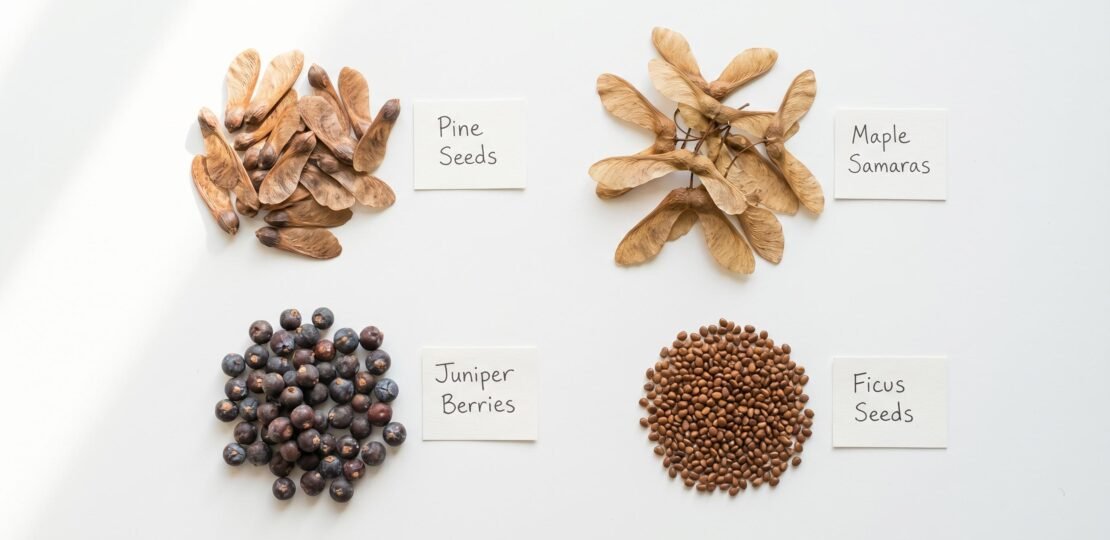
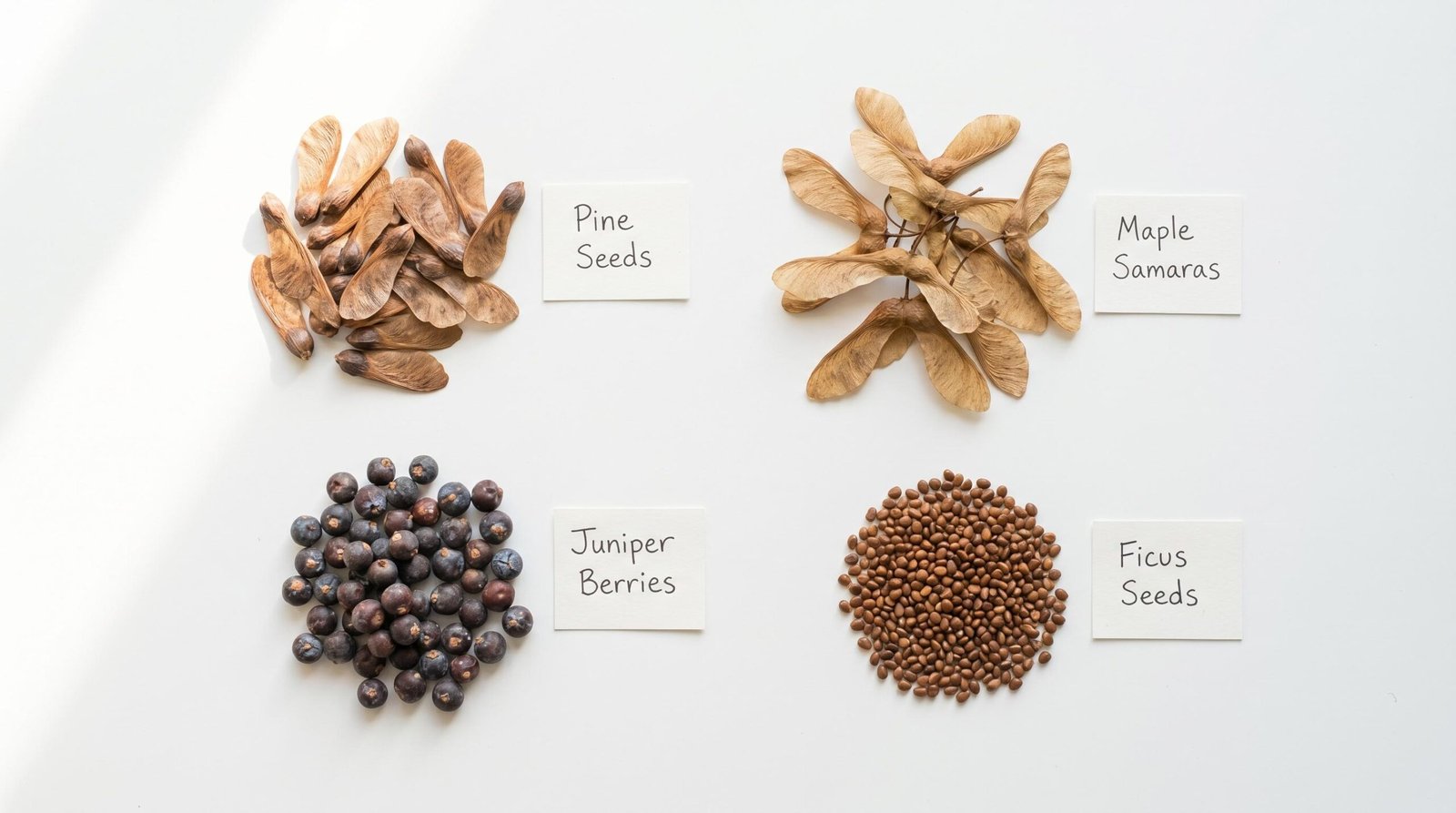
There is no such thing as a bonsai seed. None. Zero. The seeds sold under the bonsai label are regular tree seeds, the same pine, juniper, maple, ficus, or elm seeds you could collect from a mature tree growing in a park. What turns a tree into a bonsai is the care, pruning, wiring, and root management you apply over years, not anything special about the seed itself. The bonsai industry markets seeds this way because it works, and because it gives beginners a clear entry point. But the marketing language obscures the underlying biology.
This sounds like bad news, but it is the opposite. Once you understand that bonsai seeds are just tree seeds, your sourcing options open up dramatically. You can buy from specialty bonsai retailers, from general seed companies, from forestry suppliers, or you can collect your own from a wild or backyard tree. The label on the packet does not change biology. A Trident Maple seed labeled “premium bonsai stock” germinates exactly the same as a Trident Maple seed from a nursery wholesaler. What does matter is freshness, species selection, and whether you understand the cold treatment that some species require before they will sprout at all. Treat the word bonsai on the packet as a marketing decoration, useful for finding the right product category, but irrelevant to the actual growing process.
Best Bonsai Tree Species to Grow From Seed
Species selection is the single biggest decision you will make as a seed grower. Pick the wrong species and you will spend months wondering why nothing is sprouting, or you will end up with a tree that hates your climate. Pick the right one and the whole process feels almost too easy. Japanese Black Pine and Chinese Elm are the two species we suggest for first-time seed growers because they germinate reliably, tolerate beginner mistakes, and grow vigorously enough that you can see real progress within the first year. Both species also respond well to early shaping techniques like pinching new growth, which means you can start practicing bonsai craft on a young tree without waiting a decade.
The table below covers the six species most commonly grown from seed. Notice the wide range in germination times and difficulty. That spread is exactly why species choice matters more than seed brand. A grower who picks Japanese Maple as a first project, expecting results in a few weeks, will think they failed when the truth is they simply skipped the cold storage step that this species absolutely requires.
| Species | Common Name | Germination Time | Difficulty | Cold Stratification Needed? | Notes |
|---|---|---|---|---|---|
| Pinus thunbergii | Japanese Black Pine | 2-4 weeks | Beginner | No | Fast-growing, forgiving of mistakes |
| Ulmus parvifolia | Chinese Elm | 3-6 weeks | Beginner | Light (2-4 weeks at 40°F) | Semi-evergreen, great indoor/outdoor |
| Acer palmatum | Japanese Maple | 8-16 weeks | Intermediate | Yes (8-12 weeks cold) | Worth the wait; stunning fall color |
| Juniperus species | Juniper | 4-8 weeks | Intermediate | Some varieties need cold | Many species; very popular bonsai |
| Ficus retusa | Tiger Bark Ficus | 2-3 weeks | Beginner | No | Best indoor option; tropical |
| Ginkgo biloba | Ginkgo | 4-8 weeks | Intermediate | Yes (8-12 weeks cold) | Ancient species; beautiful fan leaves |
Two species on this list, Japanese Maple and Ginkgo, both demand cold stratification, a process of refrigerating the seeds in moist medium for eight to twelve weeks before planting. Skip this step and the seeds will simply sit in the soil and do nothing, sometimes for an entire growing season. If you live in a climate with cold winters and you want to skip the fridge step, you can sow these species outdoors in fall and let nature handle the chilling for you. Most failures with these species are not seed quality issues. They are stratification issues. We hear this story every season from frustrated beginners who paid premium prices for fresh Japanese Maple seeds and saw nothing happen for three months. The seeds were fine. The grower just did not know about the dormancy mechanism built into the species.
A practical note on Juniper. The genus Juniperus contains dozens of species, and germination requirements vary widely between them. Common Juniper (Juniperus communis) needs cold stratification and is notoriously slow, sometimes taking two years to germinate. Chinese Juniper (Juniperus chinensis) is faster and often does not require any cold treatment at all. Read the species name carefully when you buy juniper seeds, the difference between two varieties can mean two extra years of waiting.
Bonsai Seed Kits: Are They Worth It?
Bonsai seed kits get a lot of criticism in hobbyist forums, but the honest answer is more nuanced. Kits do three things well. First, they package every starter item into one box, soil discs, seeds, grow bags, and instructions, so you are not chasing supplies across three websites. Second, they make genuinely nice gifts, especially for a teenager or a friend curious about gardening. Third, they remove decision paralysis. A beginner staring at a seed catalog with forty species options often just walks away. A kit forces a choice and gets you started.
The downsides are real too. The included soil mix is rarely suitable for long-term bonsai growth, it tends to compact and hold too much water, and the species inside most kits are chosen for germination reliability rather than for being the most interesting long-term bonsai specimens. Japanese Black Pine and Ginkgo dominate kit offerings because they germinate predictably, not because they are the trees a seasoned bonsai grower would pick first.
| Kit | What’s Included | Species | Our Take |
|---|---|---|---|
| Bonsai Tree Seed Grow Kit by Jonsteen | Seeds, soil discs, grow bags, instructions | Giant Sequoia, Valley Oak | Premium quality, beautiful packaging, great as a gift |
| Bonsai Starter Kit (Amazon) | Soil disks, 4 seed types, grow bags, shears | Mixed 4-pack | Affordable entry point; quality varies by batch |
| Eastern Leaf Seed Kits | Multiple species options | Juniper, Pine, Cherry | Specialty bonsai retailer; knowledgeable source |
Bottom line on kits: they are a fine starting point, but plan to repot into proper bonsai soil within six to twelve months. If your goal is to maximize species variety per dollar, skip the kit and order loose seeds from a specialty retailer instead. You will pay roughly the same and end up with two or three times the seed count. The kit pricing absorbs the cost of packaging, instructions, and tools you may or may not actually need. A growing tray, a humidity dome, and a small bag of seedling mix from any garden center give you the same functional setup at a lower total cost.
Where to Buy Bonsai Seeds (Without Getting Ripped Off)
Seed quality varies wildly by source, and the bonsai seed market attracts a lot of low-effort sellers because beginners cannot easily tell good seeds from bad ones until weeks later when nothing germinates. Stick with three reliable source types. First, specialty bonsai retailers like Eastern Leaf, Brussel’s Bonsai, and Sheffield’s Seed Company sell seeds harvested for hobby growing and usually publish stratification guidance on each product page. Second, general seed retailers like Rare Exotic Seeds carry a broader catalog and tend to be cheaper, though you may have to do your own research on species needs. Third, you can collect seeds yourself from trees in your yard, a friend’s yard, or in some cases public land, just verify the legal status of seed collection in your area before harvesting from a park or forest.
Freshness is the single biggest quality signal. Tree seeds lose viability faster than vegetable seeds, and a packet from two seasons ago can have a germination rate as low as ten or fifteen percent. Look for sellers who date their packets or list the harvest season clearly. Another quality signal: the seller should tell you whether seeds need cold stratification and for how long. If the listing for a Japanese Maple does not mention stratification at all, that is a red flag, either the seller does not know what they are selling, or they are hoping you will not notice when nothing sprouts. For deeper background on growing trees from seed, Bonsai Empire’s cultivation guide is the most respected free resource online.
Price is a weaker signal than most beginners assume. A packet of twenty fresh Japanese Black Pine seeds from a reputable seller usually runs five to ten dollars. If you see the same species advertised at two dollars for fifty seeds, ask why. Either the supplier is offloading old stock, or the seed count is real but viability is low. Pay attention to the seller’s reviews, especially recent ones from the current growing season. Older positive reviews tell you the seller was once reliable. Recent reviews tell you the seller still is. The bonsai seed market has a high turnover of sellers, so a brand that was excellent three years ago may be a different operation today.
How to Germinate Bonsai Seeds: The Essentials
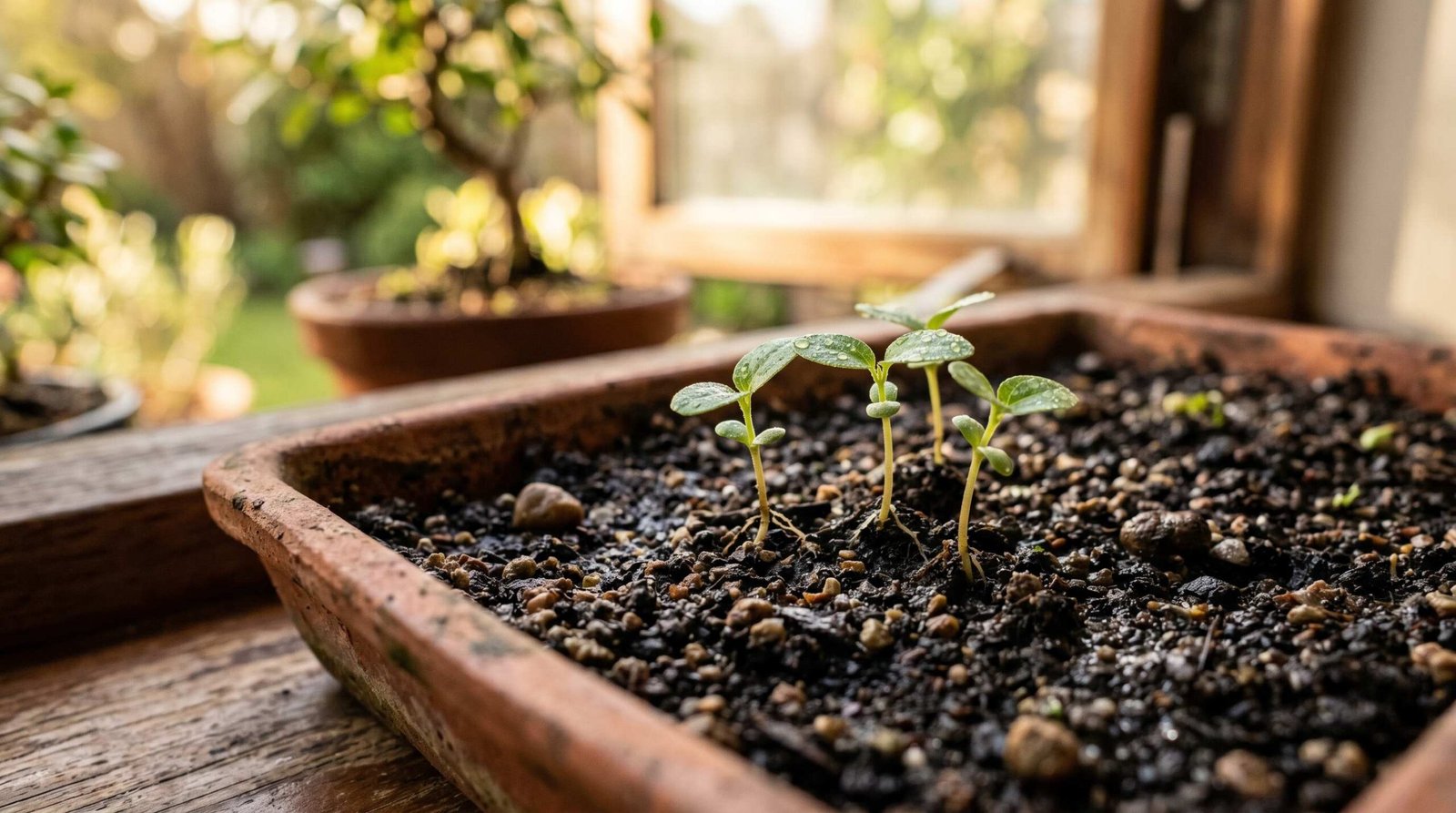
Germination itself is straightforward once you know the four steps. Step one, check stratification requirements for your specific species before you do anything else. This is the step that ruins most first attempts. Step two, soak seeds in warm water for twenty-four hours to soften the seed coat and rehydrate the embryo, discard any seeds that float since these are usually non-viable. Step three, plant in a well-draining bonsai seed mix at the correct depth, the rule of thumb is to bury a seed at a depth equal to two or three times its diameter, very small seeds can simply be pressed into the surface. Step four, maintain humidity with a clear plastic lid or a sheet of plastic wrap, lifting it once daily for air exchange to prevent mold.
Temperature drives everything from there. Most temperate species, pines, maples, elms, ginkgo, germinate best at 65-72°F at the soil surface. Tropical species like Ficus retusa and Fukien Tea prefer warmer conditions, 72-80°F. A seedling heat mat under your seed tray solves both ranges for under twenty-five dollars and is one of the best investments a seed grower can make.
Now the part nobody tells beginners: most seeds do not fail. They just take longer than you expect. A seed that has not sprouted after three weeks is not dead. Check the soil for mold, adjust moisture if it looks too wet or too dry, and keep waiting. Some species, especially after cold stratification, can take six or eight weeks to push above the soil even when everything is going perfectly. If you are new to the technical side of germination, our complete step-by-step growing guide walks through every detail with photos. Once your seedlings have a few sets of true leaves, you can begin thinking about transitioning them into proper bonsai soil for long-term growth.
One small habit pays off enormously in the germination stage: label every tray with the species, the planting date, and the stratification dates if any. Memory fails. Two months into the wait you will forget which species needed twelve weeks of cold and which only needed four. A waterproof plant marker and a permanent pen solve this for the cost of a coffee. Photos of the tray every few days build a useful record too, especially for species you plan to grow again next season.
Common Germination Problems (and Fixes)
If something goes wrong in the first month, the cause is almost always one of five issues. Diagnosing the problem early can save the entire batch, while ignoring it for another week can mean starting over.
- Mold on the soil surface: Reduce moisture and improve airflow slightly. A pinch of cinnamon on the soil surface acts as a natural antifungal without harming seeds.
- No sprouts after four weeks: Check stratification requirements first. Was a cold treatment needed and skipped? If yes, the seeds are simply dormant and waiting. You can still rescue them by moving the tray to a refrigerator for six to eight weeks.
- Sprouts damping off (falling over and dying): This is a classic fungal issue caused by soil that stays too wet. Reduce humidity, water from below by setting the tray in a shallow pan of water, and increase air movement with a small fan.
- Leggy seedlings stretching toward the window: Insufficient light is the culprit. Move the tray to a brighter spot or add a basic LED grow light positioned a few inches above the seedlings.
- Seeds rotting in the soil: The mix is holding too much water. Improve drainage by adding more perlite or pumice, and let the surface dry slightly between waterings.
One general rule: when in doubt, err on the dry side. More bonsai seeds die from overwatering than from any other cause. The soil should be lightly moist to the touch, never soggy. If you squeeze a handful of seed mix and water drips out, the mix is too wet for germination.
How Long Until You Have a Real Bonsai?
This is the section that separates bonsai from houseplant hobbies, so we want to be honest with you. At one year, your seedling will be a four to six inch sapling that looks nothing like a bonsai, more like a stick with a few leaves. Year three to five is when the trunk begins to develop some character, assuming you have been pinching tips and redirecting growth all along. Year five to ten is when the first real bonsai styling becomes possible for fast-growing species like Japanese Black Pine and Chinese Elm. Year ten to twenty is when you have a display-worthy specimen.
Frame this positively because the timeline is the entire point. People who want a finished tree buy pre-bonsai stock from a nursery. People who grow from seed are signing up for the journey itself, the daily small decisions, the slow shaping, the connection with a tree they raised from a one-millimeter speck. Building your skills around long-term bonsai care matters more than any seed selection. A seed grower who masters watering, light management, and seasonal pruning at year three will produce a better tree at year ten than someone who started with expensive seeds but never learned the fundamentals of keeping a small tree alive.
FAQ
Are bonsai seeds different from regular tree seeds?
No. There is no biological difference between a seed sold as a “bonsai seed” and the same species sold as a regular tree seed. Bonsai is a technique applied to a tree over years through pruning, wiring, and root management. The seed is just a starting point. You can grow a bonsai from any tree species seed you can germinate.
How long does it take for bonsai seeds to germinate?
Germination time varies by species. Fast germinators like Japanese Black Pine and Ficus retusa sprout in two to four weeks. Mid-range species like Chinese Elm and Juniper take four to eight weeks. Species that need cold stratification, like Japanese Maple and Ginkgo, can take eight to sixteen weeks total when you count the stratification period.
Do bonsai seeds need cold stratification?
It depends on the species. Temperate trees from cold-winter climates almost always need cold stratification, six to twelve weeks at 35-40°F in moist medium. This includes Japanese Maple, Ginkgo, most oaks, and many junipers. Tropical species like Ficus, Fukien Tea, and Brazilian Rain Tree do not need stratification because they evolved without cold winters.
Can I grow a bonsai from seed indoors?
Yes, especially during the germination and seedling stages. Tropical species like Ficus retusa thrive indoors permanently. Temperate species can germinate indoors but generally need outdoor conditions, including a winter dormancy period, once they are past the seedling stage. Plan to move temperate species outdoors after their first growing season for healthy long-term development.
What’s the easiest bonsai to grow from seed?
Japanese Black Pine is the most beginner-friendly choice. The seeds germinate reliably without cold stratification, the seedlings grow vigorously, and the species tolerates a wide range of beginner mistakes including over and under watering. Ficus retusa is a close second if you want an indoor-friendly option, since it germinates fast and adapts well to typical household conditions. Chinese Elm also belongs in this group for growers who want a deciduous look with low-maintenance care, since it handles a wider temperature range than most other beginner species.
Choose your species first, decide whether a kit or loose seeds fits your goal, and accept upfront that you are playing the long game. The growers who succeed with seeds are the ones who treat the next ten years as part of the project, not an obstacle to it. Start small with a single species you actually care about rather than buying a multi-species kit and dividing your attention five ways. Once your seedlings establish, browse our juniper bonsai care guide for species-specific guidance, and stock up on a basic set of bonsai starter tools so you are ready when your trees need their first pruning.
RELATED POSTS
View all

Bonsai Styles Explained: All 20+ Classic Forms (With Difficulty Ratings)
May 23, 2026 | by Ian
Best Bonsai Trees for Beginners: 8 Species Ranked by Forgiving Factor
May 26, 2026 | by Ian
Bonsai Soil: The Best Mix for Beginners (Ingredients, Ratios, and Top Picks)
December 22, 2023 | by bonsailessons.com