

How Long Does Bonsai Take to Grow? (Honest Timelines + How to Speed It Up)
May 24, 2026 | by Ian
How Long Does Bonsai Take to Grow? (Honest Timelines + How to Speed It Up)
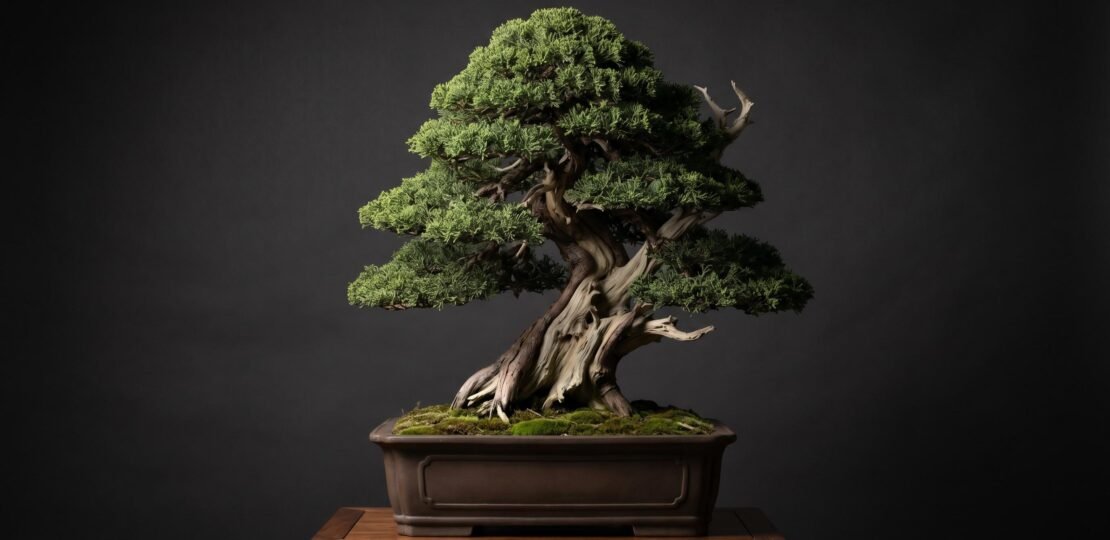
A bonsai takes 3 to 15+ years to develop, depending entirely on how you start. From seed, expect 10 to 15 years before you have a tree worth styling. From nursery stock, you can produce a respectable bonsai in 2 to 5 years. From pre-trained material, you have a finished bonsai the day you buy it. Ground-growing techniques can cut years off seed-grown timelines.
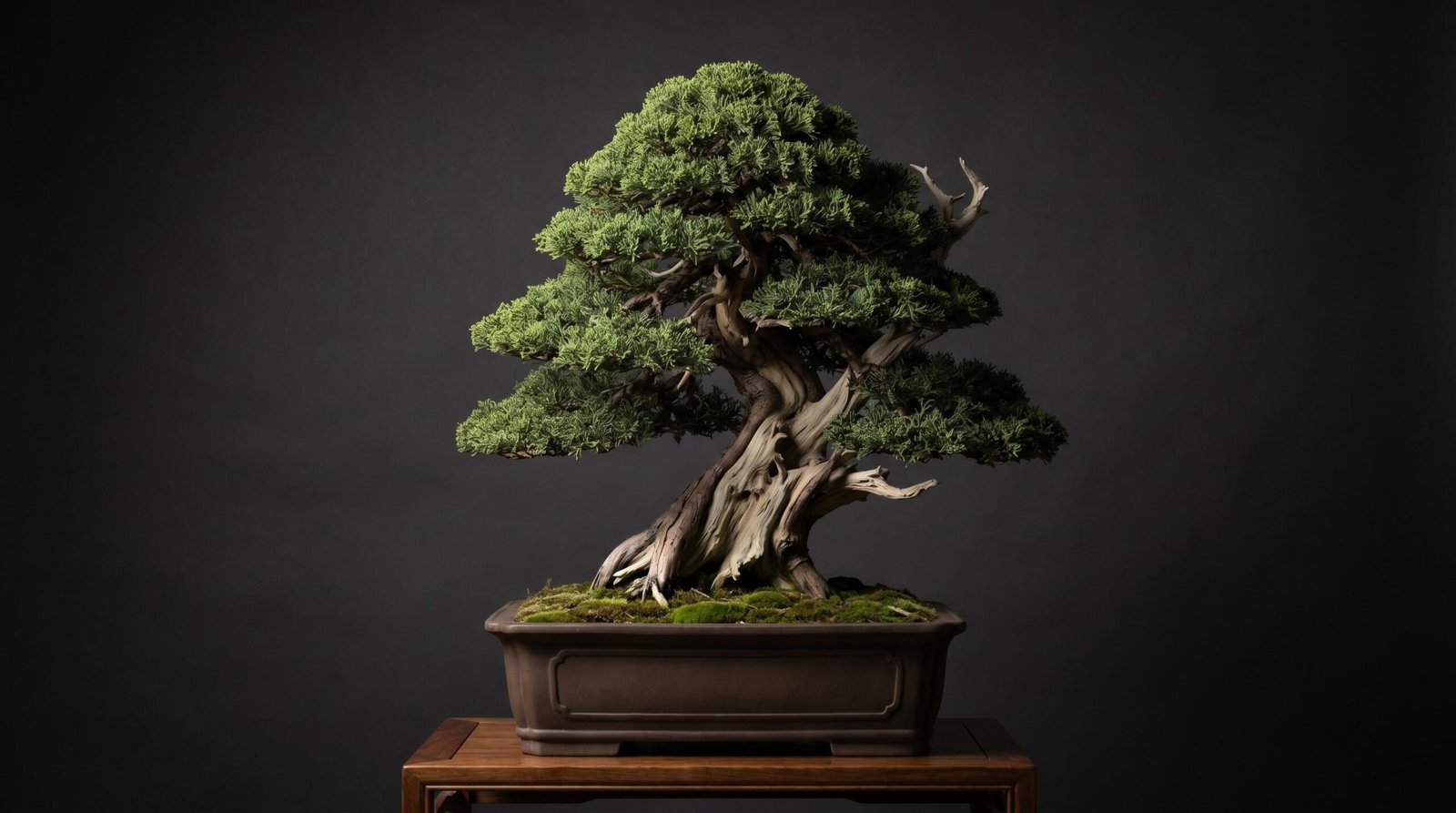
Most beginner articles dodge this question with phrases like “it depends” and “be patient.” That’s lazy. The truth is that bonsai timelines are predictable once you understand the three starting paths, the species you choose, and a few techniques that compress development by years. We’ll cover all of it below, including a year-by-year roadmap and the ground-growing method that serious bonsai practitioners use to thicken trunks in a fraction of the time.
It Depends How You Start: Three Paths to a Bonsai Tree
The single biggest factor controlling your timeline isn’t watering, light, or even species. It’s the material you start with. There are three legitimate entry points, and each one represents a completely different commitment.
Growing from Seed (5–15+ Years)
Starting from seed is the longest road. A seedling needs 2 to 3 years just to develop a stem thick enough to consider for shaping, and another 5 to 10 years of trunk development before it resembles anything you’d display. The upside is total creative control. You choose the trunk movement, the taper, and the nebari from day one. If you want to take this route, our walkthrough on how to grow bonsai from seed covers stratification, soil mix, and the early decisions that matter most.
Most people who succeed with seed-grown bonsai run multiple seedlings simultaneously. Out of 20 sprouted seeds, maybe 5 develop strong nebari and trunk movement worth keeping. Seed growing is a numbers game, and patience is the entry fee.
Nursery Stock (2–5 Years to First Styling)
This is where most serious bonsai careers actually start. You walk into a garden center, find a juniper, boxwood, or Japanese maple with a thick trunk and interesting movement, and you take it home for $30 to $80. The tree already has 5 to 15 years of trunk development you don’t have to wait for.
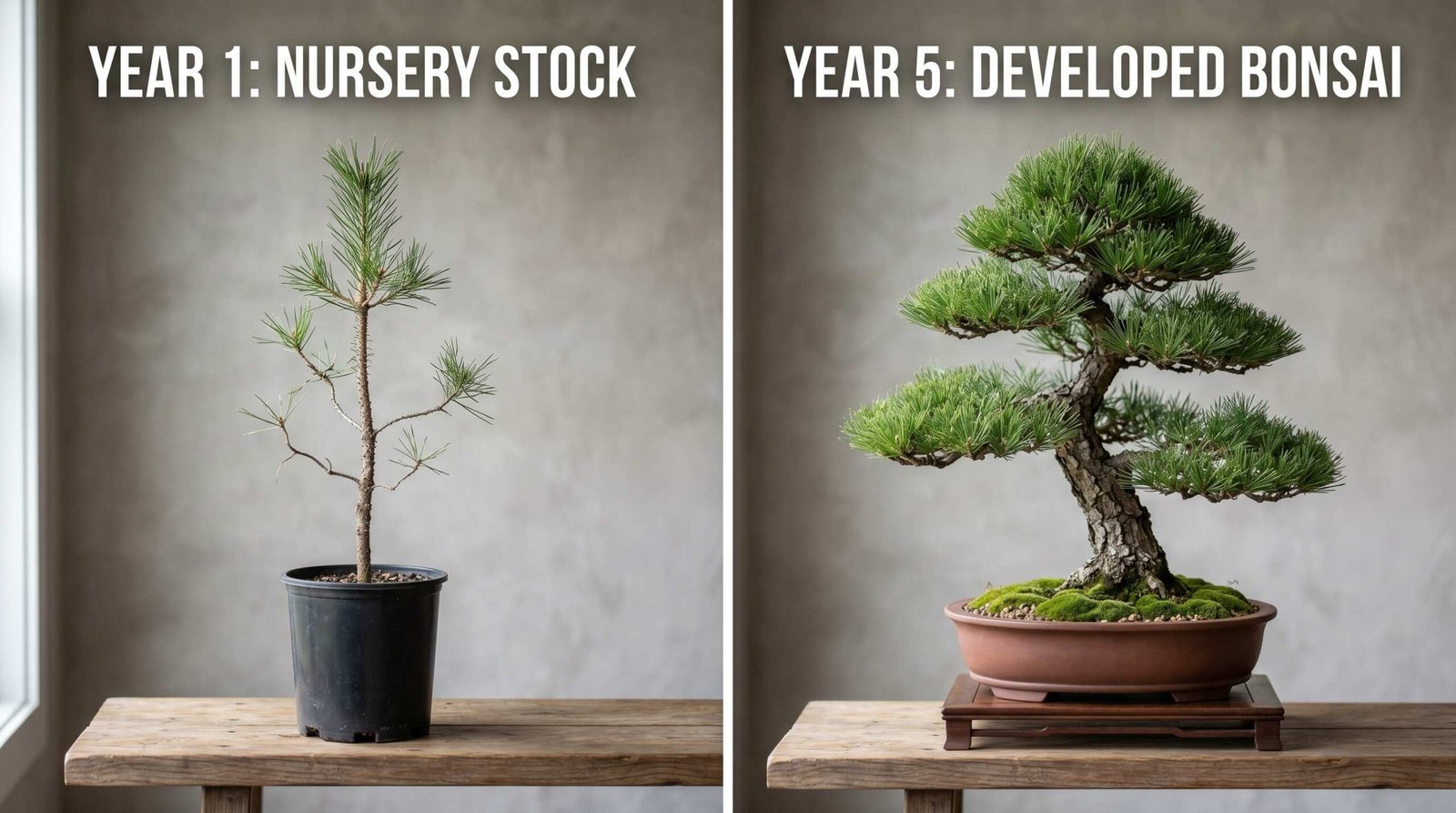
Within the first year, you can do initial styling: wiring, branch selection, and an initial bonsai-style pruning. By year 3, the tree looks deliberate. By year 5, it has the refinement of a young show tree. Nursery stock is the smart beginner path, full stop.
Pre-Trained Stock (Immediate Results)
Pre-trained bonsai are trees that have already been developed by a professional or hobbyist, often for 10 to 30 years. You buy them ready to display. A decent pre-trained juniper costs $150 to $400. A specimen tree from a respected nursery runs $1,000 and up. The Royal Horticultural Society offers solid RHS bonsai growing guidance for evaluating quality once you’re shopping at this level.
| Method | Time to First Styling | Cost | Trunk Development | Best For |
|---|---|---|---|---|
| Seed | 5 to 15 years | $5 to $20 | You build it from scratch | Patient hobbyists, full creative control |
| Cutting / Air Layer | 4 to 8 years | Free if from existing tree | Faster than seed, slower than nursery | Propagating from a tree you love |
| Nursery Stock | 1 to 3 years (initial), 5+ for refined | $30 to $150 | Already substantial | Most beginners, best price-to-result ratio |
| Collected (Yamadori) | 2 to 5 years after recovery | Free or $200+ | Decades of natural development | Experienced growers, dramatic specimens |
| Pre-Trained | Immediate | $150 to $5,000+ | Already developed | People who want results today |
How Fast Do Different Bonsai Species Actually Grow?
Species choice swings your timeline by a factor of three or more. A jade plant in good conditions will give you a styled tree in 2 years. A pine grown from seed might need 20. Here’s a realistic comparison built from how these species actually behave in cultivation, not marketing copy.
| Species | Growth Rate | Time to First Styling (from Seed) | Time to First Styling (Nursery Stock) | Indoor / Outdoor | Notes |
|---|---|---|---|---|---|
| Juniper (Procumbens, Shimpaku) | Moderate | 8 to 12 years | 1 to 2 years | Outdoor only | Beginner favorite. Hardy, responds well to wiring. See our juniper bonsai care guide. |
| Ficus (Retusa, Ginseng) | Fast | 5 to 8 years | 1 to 2 years | Indoor friendly | Forgiving, fast-thickening trunks, tolerates indoor light. |
| Chinese Elm | Fast | 5 to 8 years | 1 to 3 years | Either | Excellent ramification, tolerates aggressive pruning. |
| Japanese Maple | Moderate | 8 to 15 years | 2 to 4 years | Outdoor | Refinement-focused species. Stunning autumn color. |
| Jade (Portulacaria, Crassula) | Very Fast | 2 to 4 years | 6 months to 1 year | Indoor friendly | Fastest practical bonsai. Forgiving with water. |
| Azalea (Satsuki, Kurume) | Moderate | 10 to 15 years | 2 to 4 years | Outdoor | Slow trunk thickening but spectacular blooms. |
| Willow (Salix) | Very Fast | 3 to 5 years | 1 to 2 years | Outdoor | Lightning trunk development, weak branches need rebuilding often. |
| Pine (Black, White, Scots) | Slow | 15 to 25 years | 3 to 7 years | Outdoor | The connoisseur species. Years before you see real refinement. |
| Cotoneaster | Fast | 4 to 7 years | 1 to 2 years | Outdoor | Underrated. Tiny leaves, white flowers, red berries. |
| Boxwood | Moderate | 8 to 12 years | 2 to 3 years | Outdoor | Dense foliage pads, excellent for formal styles. |
If your goal is to have something that looks like a bonsai within 18 months and you can grow it indoors, jade or ficus is the answer. If you want the classic windswept evergreen on your patio, juniper from nursery stock is what most practitioners suggest, and that consensus exists for good reasons.
What the Development Stages Actually Look Like
Bonsai development isn’t linear. You don’t get a slightly better tree every month. You get a few discrete phases, each lasting years, and the work you do in each phase is genuinely different. Trying to refine a tree that’s still in establishment is one of the most common beginner errors, and it sets people back by seasons.
Stage 1: Establishment (Year 0–2)
The tree’s only job in this stage is to live. After seed germination, cutting strike, or transfer to a development pot, the plant is rebuilding its root system and storing energy. You water, you keep it healthy, you do almost nothing else. No structural pruning. No wiring beyond gentle guide wires. Repotting in this stage is risky unless you have a clear reason.
The biggest mistake beginners make here is impatience. They start wiring a six-month-old seedling and stunt it for two years.
Stage 2: Primary Branch Structure (Year 2–5)
Once the tree is established and growing vigorously, you start choosing primary branches and removing the rest. You’re not styling yet. You’re building the architectural skeleton: trunk taper, branch placement, first major bends. This is also when you start trunk-thickening strategies like sacrifice branches or, ideally, ground growing.
Stage 3: First Styling (Year 3–8 depending on species)
Now you wire. Now you commit to a style: informal upright, slanting, cascade, windswept, whatever fits the trunk’s natural movement. If you’re not sure how style classifications work, our breakdown of traditional bonsai styles covers the main forms and what each one calls for. First styling transforms a developed tree into something recognizable as bonsai. After this stage, the work shifts entirely.
Stage 4: Refinement (Year 5+, ongoing)
Refinement is forever. You’re now developing ramification (secondary and tertiary branching), reducing leaf size, building moss pads at the nebari, perfecting silhouette. Show trees stay in refinement for decades. This is the stage where bonsai stops being a project with a deadline and becomes a relationship with a living thing. The Bonsai Clubs International techniques library is a strong resource once you reach this stage and want to refine specific traditional methods.
The Year-by-Year Milestone Roadmap
This is the roadmap most beginner articles refuse to give you because it forces specifics. Here’s what to actually expect, year by year, starting from a nursery-stock juniper or similar moderate-growth outdoor species. Adjust faster for ficus/jade, slower for pine.
| Year Range | What’s Happening | What to Do | What It Looks Like | Common Mistake to Avoid |
|---|---|---|---|---|
| Year 0–1 | Tree adjusts to its new environment, builds root mass, recovers from transplant shock. | Water properly, fertilize lightly after 6 weeks, do not repot, do not heavy-prune. | A garden-center shrub in a training pot or grow bag. Bushy, undefined. | Aggressive pruning in the first season. Wait. |
| Year 1–2 | Strong growth. The tree is now established and pushing new shoots vigorously. | First structural pruning. Remove obvious unwanted branches. Identify trunk line. | You can see the future tree inside the shrub. Branches still numerous. | Wiring everything at once. Pick 2 to 3 branches to start. |
| Year 2–4 | Primary branches developing. Trunk thickening if in development pot or ground. | Wire main branches. First style decision. Sacrifice branches if you want trunk thickness. | Recognizable as bonsai-in-progress. Style is becoming visible. | Repotting too often. Once every 2 to 3 years is plenty during development. |
| Year 4–7 | First styling complete. Ramification starting. Tree has a clear identity. | Transition to a proper bonsai pot. Begin refinement pruning. Fine wiring. | Looks like a real bonsai. Friends and family recognize it as one. | Moving to a small pot too soon. Confirm trunk is the size you want first. |
| Year 7–10 | Refinement. Secondary and tertiary branches developing. Bark beginning to age. | Pinch and prune for ramification. Reduce fertilizer slightly to encourage shorter internodes. | Show-quality silhouette. Detailed branching pads. | Treating refinement like development. Slow down. Be precise. |
| Year 10+ | Mature bonsai. Bark character, fine ramification, balanced silhouette. | Annual refinement, repot every 3 to 5 years, maintain health and detail. | The tree people stop to look at on your bench. | Boredom. Trees this age require patience as their main feature. |
5 Factors That Determine How Fast Your Bonsai Develops
Two people can start with identical nursery junipers and end up with wildly different trees five years later. The variables below are the reason why. Manage all five, and you accelerate development meaningfully. Ignore them, and your tree grows on its own slow schedule.
1. Pot Size vs. Ground Growing (most impact)
Roots drive trunk growth. A tree in a small bonsai pot is on a strict diet, which is great for refinement and terrible for thickening. A tree in a large pond basket, a grow box, or planted directly in the ground develops 2 to 5 times faster.
The ground-growing technique is the single biggest accelerator available to bonsai growers, and we’ll cover it in detail in the next section. If you want a tree with a thick, characterful trunk and you’re starting from young material, do not skip this. Beginners almost universally underestimate how much faster a tree thickens when its roots are unrestricted.
2. Fertilizing Frequency and Type
During development, you fertilize heavily. A young bonsai in growth mode wants nitrogen, and lots of it, from early spring through late summer. We suggest a balanced organic fertilizer applied weekly during the growing season, supplemented with slow-release pellets like BioGold organic bonsai fertilizer for steady baseline feeding.
During refinement, you cut fertilizer dramatically. Heavy nitrogen produces long internodes and big leaves, which is the opposite of what a refined tree needs. This is one of the genuinely counterintuitive aspects of bonsai: feeding a refined tree the same way you fed it during development will undo years of work.
3. Light and Heat
More light equals more photosynthesis equals faster growth. Outdoor species placed in a south-facing spot with 6+ hours of direct sun will outgrow the same species in a shaded position by a wide margin. For tropical species kept indoors, supplemental grow lights aren’t optional if you want serious development. A full-spectrum LED grow light can double the growth rate of an indoor ficus or jade.
Heat matters too. Tropical species shut down below 55F. Temperate species need a cool dormancy but grow explosively during warm months. Maximize the growing season, and you cut development time.
4. Pruning Strategy: Branch Sacrifice vs. Refinement
This is where most beginners shoot themselves in the foot. They prune aggressively, hoping to “shape” the tree faster. What they actually do is slow trunk development by removing the leaves that fuel growth.
The professional approach uses sacrifice branches: you let one or two branches grow completely unchecked for years, sometimes much longer than the rest of the tree. These sacrifice branches act as growth engines that thicken the trunk below them. Once the trunk reaches your target diameter, you remove the sacrifice branch entirely and heal the scar. Our piece on how to prune a bonsai tree walks through which branches to keep, which to sacrifice, and when to make each cut.
5. Climate and Growing Season Length
A juniper in Florida grows for 10 to 11 months a year. The same juniper in upstate New York grows for 5 to 6. That’s a 2x difference in active development time per calendar year. You can’t change your climate, but you can choose species that match it, and you can use cold frames or unheated greenhouses to extend the shoulder seasons.
The Ground-Growing Technique: Cut Years Off Your Timeline
This is the section that separates this article from every superficial bonsai timeline post on the internet. Ground growing is how professional bonsai producers develop trunks in a fraction of the time it takes to do the same work in a pot. Almost no beginner-focused content explains it, which is strange, because it’s not complicated.
Why it works: Tree roots seek water and nutrients aggressively. In a pot, they hit the wall in months. In open ground, they spread for meters. More roots means more water and nutrient uptake, which means more leaf production, which means more photosynthesis, which means faster trunk thickening. A juniper in the ground can put on 1 cm of trunk diameter per year. The same juniper in a 10-inch pot might add 1 to 2 mm.
How to set it up: Choose a sunny, well-drained spot in your garden. Dig a hole, place a flat tile or piece of slate at the bottom (this stops the taproot and forces lateral root growth, which builds nebari), and plant your young tree on top. Backfill with the native soil amended with compost. Water in well. That’s the setup.
What to do during ground years: Let the tree grow with minimal intervention. You’re not styling. You’re letting it explode. Light pruning to maintain a basic structure is fine, but resist the urge to shape. Use sacrifice branches above your future trunk line. Fertilize moderately, the soil does most of the work.
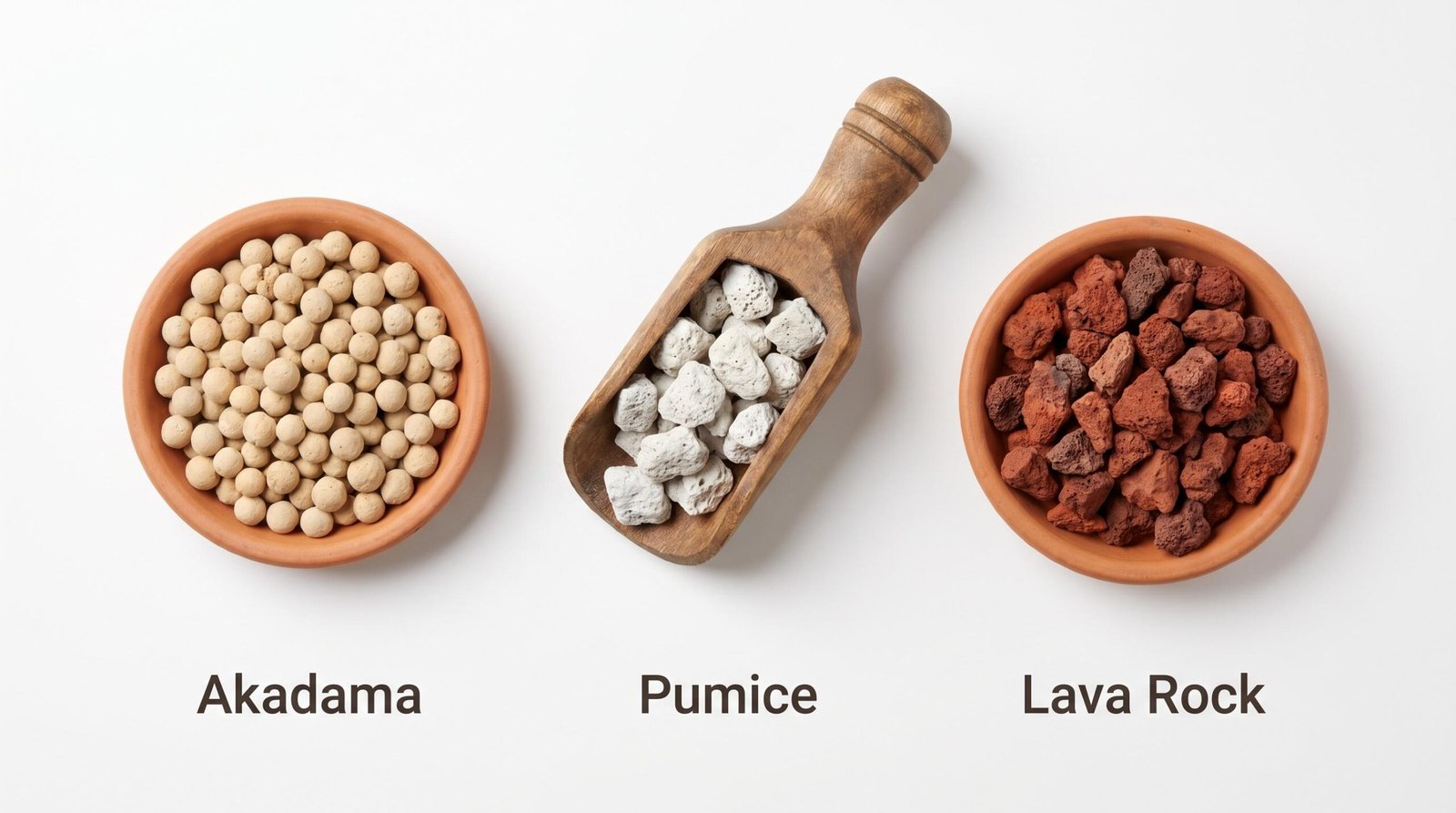
When and how to collect: After 2 to 5 years (depending on species and target trunk size), dig the tree up in early spring before bud break. Cut a generous root ball, prune the longest roots back, and pot into a large training pot with bonsai soil mix like an akadama-pumice-lava bonsai soil mix. Keep it shaded and protected for one full season to recover. Then begin styling work.
| Species | Best In-Ground Years | Expected Trunk Diameter Gain | When to Collect |
|---|---|---|---|
| Juniper (Shimpaku, Procumbens) | 3 to 5 years | 1 to 2 cm per year | Early spring, before new growth |
| Chinese Elm | 2 to 4 years | 1.5 to 3 cm per year | Late winter or early spring |
| Japanese Maple | 3 to 5 years | 0.8 to 1.5 cm per year | Early spring, before bud break |
| Trident Maple | 2 to 4 years | 2 to 4 cm per year | Early spring |
| Cotoneaster | 2 to 3 years | 1 to 2 cm per year | Early spring |
| Pine (Black, Scots) | 5 to 8 years | 0.5 to 1 cm per year | Early spring, post-candle break |
| Hornbeam | 3 to 5 years | 1.5 to 2.5 cm per year | Late winter |
| Boxwood | 3 to 5 years | 0.7 to 1.2 cm per year | Early spring |
A real-world example: a juniper planted from a $25 nursery seedling, grown in the ground for 4 years, can produce a 4 cm trunk with strong nebari. The same seedling in a 10-inch pot for 4 years might produce a 1 cm trunk. That difference represents roughly 10 years of pot-grown development achieved in 4 years of ground growth. If your goal is a thick, characterful bonsai and you have access to a garden, this is the technique that changes the math entirely.
One important note: after collecting, the tree needs careful aftercare. Reduce light, avoid fertilizing for 6 to 8 weeks, and don’t repot again for at least one full year. Our guide on how to repot bonsai covers the techniques that apply directly to recovering a ground-grown tree.
I Don’t Want to Wait: Is Buying Pre-Made Bonsai “Cheating”?
No. It isn’t. This idea, that you have to grow your tree from seed for it to count, is internet nonsense pushed mostly by people who haven’t grown serious bonsai themselves.
In Japan, the bonsai capital of the world, most practitioners buy developed trees and refine them. Trees are passed between artists, sometimes between generations. Buying a pre-trained tree and continuing its development is the historical norm, not a shortcut. The skill is in keeping the tree healthy, refining it over years, and adding your own creative direction.
If you’re starting out and don’t want to wait a decade, buy nursery stock with a good trunk. If you have the budget, buy a pre-trained tree from a respected nursery. Look for clear taper, interesting trunk movement, well-developed nebari, and healthy foliage. Avoid mall-kiosk “bonsai” sold as gifts; they’re typically poorly cared for and species-mismatched for their care instructions.
The goal isn’t to grow a tree from nothing. The goal is to develop a tree into something beautiful and keep it alive for decades. Where you start matters less than what you do next. General bonsai tree care habits like proper watering, seasonal feeding, and consistent observation matter more than your starting material.
Frequently Asked Questions
How long does it take for a bonsai seed to sprout?
Most bonsai seeds sprout within 2 to 8 weeks of planting, but the variation depends entirely on species and whether the seed received proper cold stratification. Japanese maple, pine, and most temperate species require 60 to 90 days of cold stratification in moist conditions before they’ll germinate at all. Tropical species like ficus and jade can sprout in as little as 10 to 14 days without stratification. Even with perfect conditions, expect a germination rate of 30 to 60 percent, which is why experienced growers always plant more seeds than they need.
What is the fastest-growing bonsai tree?
The portulacaria afra, often called dwarf jade or elephant bush, is the fastest practical bonsai species. Given good light and warmth, it can be styled into a recognizable bonsai shape within 18 months from a cutting. Chinese elm and willow are the fastest among traditional outdoor species, both capable of producing styled trees in 3 to 5 years from nursery stock. Ficus retusa is close behind and has the advantage of tolerating indoor conditions. If you want fast results, focus on these species over slower-growing classics like pine or azalea.
How long before I can start wiring and shaping my bonsai?
For nursery stock, you can wire and begin styling after the tree has been in your care for one full growing season, typically 6 to 12 months. The tree needs time to recover from any transplant stress and establish strong root growth before you stress it further with structural work. For seed-grown trees, wait until the trunk has reached at least pencil thickness, which is usually 2 to 3 years in. Wiring before this point can damage the soft cambium and stunt growth. When you do wire, use the correct gauge for the branch thickness and check weekly during the growing season to prevent wire scarring.
Can bonsai trees grow fast if I repot every year?
No, and this is a common misconception. Repotting is a stressful event for the tree. Each repot temporarily slows growth while the root system recovers. During development, repot every 2 to 3 years for most species, or even less often if the tree is still in a development pot or in the ground. The exception is young, vigorous trees in restrictive containers, which can benefit from annual root work to prevent root binding. Mature trees in proper bonsai pots typically repot every 3 to 5 years, sometimes longer for slow-growing conifers. Repotting is a tool, not a growth accelerator.
How old are the bonsai trees in exhibitions? Are they really hundreds of years old?
Yes, many exhibition trees are genuinely hundreds of years old. The famous Yamaki pine at the U.S. National Arboretum is documented at over 400 years old and survived the atomic bombing of Hiroshima. Several Japanese imperial collection trees are 500+ years old. However, many trees displayed at lower-level shows and competitions are 30 to 80 years old, which is still extraordinary. Age in bonsai is shown through bark character, deadwood features, fine ramification, and trunk taper. A skilled grower can create a tree that looks 200 years old from material that’s actually 40, which is part of the artistry.
How long does it take to grow bonsai from seed to a “real” bonsai?
From seed to a tree you’d be proud to display publicly, expect 10 to 20 years for most temperate species, 5 to 8 years for fast-growing tropicals like ficus or jade, and 20 to 30 years for slow species like pine. The first 5 years are spent on trunk development, the next 3 to 5 on primary branch structure and first styling, and the remainder on refinement. Using ground-growing techniques in the early years can compress this timeline by 30 to 50 percent for the trunk development phase. Most experienced bonsai growers consider seed-grown trees a 20-year project at minimum if quality matters.
RELATED POSTS
View all

Bonsai Soil: The Best Mix for Beginners (Ingredients, Ratios, and Top Picks)
December 22, 2023 | by bonsailessons.com
Bonsai Styles Explained: All 20+ Classic Forms (With Difficulty Ratings)
May 23, 2026 | by Ian
Best Bonsai Trees for Beginners: 8 Species Ranked by Forgiving Factor
May 26, 2026 | by Ian